



The Father’s Invitation
There is a difference between being invited and being included.
God’s invitation is clear. He calls us, receives us, and rejoices when the one who was lost is found.
Jesus said: “Likewise joy shall be in heaven over one sinner that repent.” Luke 15:7
The Father’s heart is not reluctant toward the one who comes to Him. He does not merely tolerate their presence or allow them to stand at a distance. He receives them, restores them, and rejoices over them.
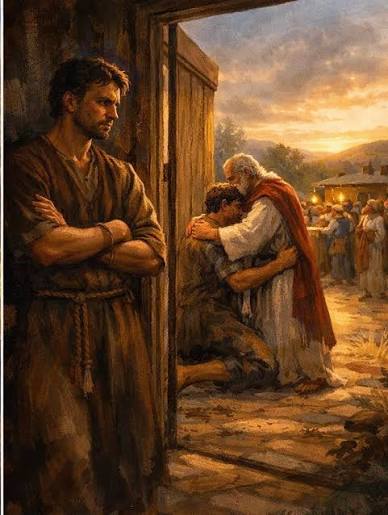
Luke 15 gives us a beautiful picture of this heart. The father sees his returning son while he is still a great way off, runs toward him, embraces him, clothes him, restores his place, and calls for a celebration.


When Invitation Does Not Feel Like Inclusion
But what happens when someone receives the Father’s invitation and then encounters His people, only to experience something very different?
What happens when someone comes into the household of faith and encounters cliques, favoritism, indifference, control, spiritual superiority, rejection, or exclusion? That is a painful contradiction, and perhaps it raises a question the church cannot afford to avoid:
Have we become so familiar with the Father’s house that we have forgotten the Father’s heart?

Familiar With the House, Far From the Heart
Church life can become familiar. The songs, the language, the routines, the programs, and even the Scriptures can become so familiar that people know exactly when to stand, when to sit, when to pray, and when to sing.
Familiarity with the Father’s house does not automatically mean familiarity with the Father’s heart.
Jesus encountered this very problem.
The religious leaders of His day had generations of Scripture, law, ritual, tradition, temple worship, sacrifice, and expectation concerning the Messiah.
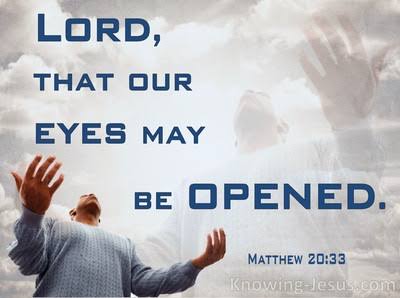
Then the Messiah stood among them, and many did not recognize Him.
When Religion Resists the Heart of God
Jesus did not arrive according to their expectations. He confronted hypocrisy and challenged distorted ideas of righteousness.
He healed on the Sabbath, ate with sinners, welcomed the rejected, delivered the oppressed, raised the dead, and taught with an authority that astonished those who heard Him.
Yet instead of allowing His presence and His works to bring them into repentance and revelation, many resisted Him.
Jesus said: “Ye have omitted the weightier matters of the law, judgment, mercy, and faith…” Matthew 23:23
They could defend religious practices while neglecting mercy. They could protect familiar systems while failing to recognize the heart of God being revealed directly before them.
Some even witnessed the power of God and attributed it to evil. After Jesus delivered a demonized man, some of the Pharisees said: “This fellow doth not cast out devils, but by Beelzebub the prince of the devils.” Matthew 12:24
Jesus answered them: “If Satan cast out Satan, he is divided against himself…” Matthew 12:26
There is something sobering here. A heart can become so committed to preserving its own conclusions that even evidence of God’s activity is explained away rather than honestly considered.
This is one reason spiritual leadership carries such tremendous responsibility. Leadership can bless, protect, nurture, teach, and point people toward Christ. But when leadership becomes controlling, self-protective, partial, dismissive, or abusive, people can be wounded.
Jesus did not ignore religious abuse. He confronted it.
Matthew 23 contains some of His strongest words because He cared deeply about people being burdened by leaders who were failing to reflect the Father’s heart.
Jesus said: “For they bind heavy burdens and grievous to be borne, and lay them on men’s shoulders…” Matthew 23:4

Received as Christ Received Us
Romans 15:7 gives us a remarkably high standard: “Wherefore receive ye one another, as Christ also received us to the glory of God.”
We are told to receive one another as Christ received us.
There is a difference between inviting someone into a room and receiving that person into a relationship.
Someone can be welcomed into a church building and still remain unseen. A person can be invited to participate and still never experience genuine relational inclusion.
Sometimes exclusion is obvious, but often it is much more subtle—being overlooked, sidelined, not welcomed, or treated as an outsider. It is painful, and it is often left unspoken, almost like an unspoken prayer request. The same circles remain closed, the same people are repeatedly chosen, and existing friendships determine who receives access or opportunity.
One person may repeatedly make an effort toward a relationship while others seldom make an effort in return.
James directly warned believers about partiality: “My brethren, have not the faith of our Lord Jesus Christ, the Lord of glory, with respect of persons.” James 2:1
Paul wrote: “That there should be no schism in the body; but that the members should have the same care one for another.” 1 Corinthians 12:25
Jesus gave an even simpler identifying mark: “By this shall all men know that ye are my disciples, if ye have love one to another.” John 13:35
The identifying mark was not position, title, visibility, or influence. It was love. Love is supposed to reveal Him.

What About the One Who Has Been Rejected or Persecuted?
The message cannot end with criticism of the church because there are people carrying genuine wounds from exclusion, rejection, misunderstanding, and, in some cases, real persecution.
Some have been dismissed, spoken about, passed over, slandered, pressured, or made to feel spiritually inferior. Others may have been treated as though they were the problem because they asked a difficult question, noticed something unhealthy, did not fit comfortably into the culture, or refused to participate in something that violated their conscience.
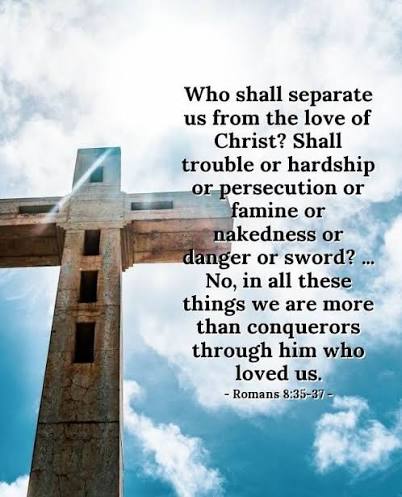
There are also believers who experience opposition because of their faithfulness to Christ. Not every painful disagreement or relational wound is persecution, yet persecution is real, and Jesus prepared His followers for it.
Jesus said: “If they have persecuted me, they will also persecute you.” John 15:20
He also said: “Blessed are they who are persecuted for righteousness’ sake: for theirs is the kingdom of heaven.”
Matthew 5:10
Paul wrote: “Yea, and all that will live godly in Christ Jesus shall suffer persecution.” 2 Timothy 3:12
Whether the wound comes through rejection, being kept at a distance, misunderstanding, or genuine persecution, the ache is real. But that ache cannot be allowed to become lord over the heart.

Joined to the Lord
Paul gives another powerful truth about belonging:
“But he that is joined unto the Lord is one spirit.”
1 Corinthians 6:17
This reaches deeper than human inclusion. A believer may experience rejection, misunderstanding, or exclusion from people, but those experiences cannot undo the relationship Christ has established with the one who belongs to Him.
Human acceptance can change. Invitations can disappear. Relationships can become distant. People may fail to recognize someone’s place, worth, or calling.
But the believer is still joined to the Lord.
That truth can become an anchor when rejection tries to speak louder than identity.
The question is no longer merely, “Do they include me?” It should become: “I belong to Christ. I am joined to Him, regardless of what anyone says, thinks, or does.”
This does not remove the ache of human rejection, but it prevents rejection from becoming the final definition of belonging.
Jesus received them, reconciled them to the Father, and established their identity in Him.
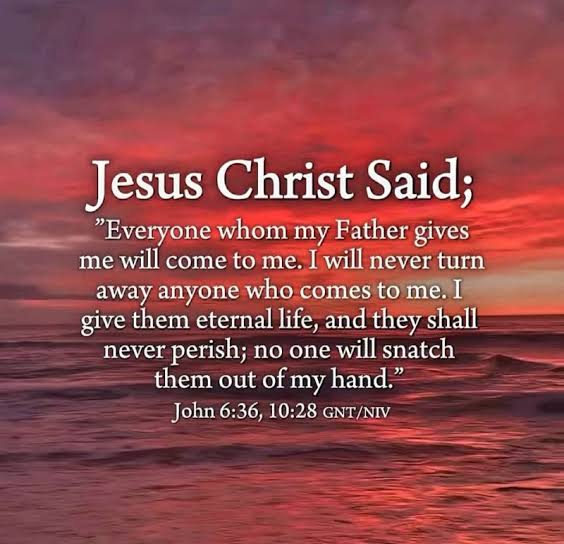
Jesus said: “All that the Father giveth me shall come to me; and him that cometh to me I will in no wise cast out.”
John 6:37
That matters.
People may cast someone aside, but Christ does not cast away those who come to Him. People may misunderstand or misjudge, but Christ sees the heart. People may refuse someone a place at their table, but Christ still prepares a table before them in the presence of their enemies.
Psalm 23:5
Jesus Understands Rejection
Eventually, the wounded believer has to return to this truth: The Lord knows exactly what happened.
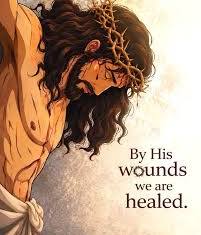
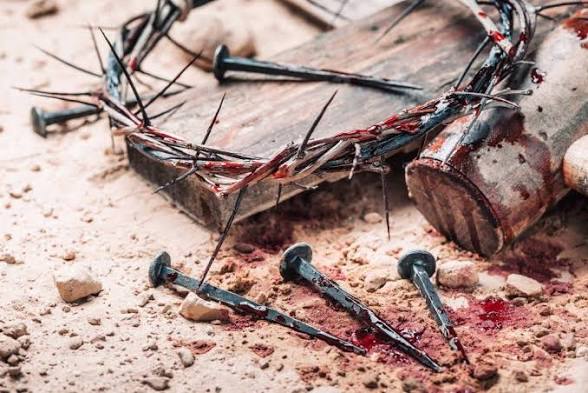
Jesus understands rejection and persecution better than anyone.
Isaiah described Him as: “He is despised and rejected of men…” Isaiah 53:3
Jesus also identified Himself with: “The stone which the builders rejected…” Matthew 21:42
Rejection did not change His identity. Persecution did not cancel His assignment. Opposition did not stop the Father’s purpose. Likewise, because believers abide in Christ, neither being cast aside nor suffering has to define who they are.
This does not mean that every rejected person is automatically right, nor does rejection itself prove righteousness. In the same way, not every hardship should be called persecution. But neither rejection nor persecution is proof that someone has missed God.
Sometimes these experiences become unexpected places of formation. They can drive a person toward bitterness, fear, retaliation, or isolation, or they can drive that person deeper into Christ.
That choice matters. The answer is not to become consumed with the one who rejected or opposed them. The answer is to remain rooted in Christ, pray, speak truth, walk wisely, refuse hatred, and continue shining.
Jesus said: “Love your enemies, bless them that curse you, do good to them that hate you, and pray for them which despitefully use you, and persecute you.” Matthew 5:44
Prayer does not deny the wound or excuse wrongdoing. It refuses to let another person’s actions determine the condition of the believer’s heart.

Inner Healing, Overcoming, and Reflecting Christ
There is also an inner healing work that needs to happen in the Body of Christ. Being cast aside, misunderstood, spiritually wounded, or carrying long-standing relational pain can leave deep places in the heart that need the Lord’s healing.
Overcoming victory in this area is not pretending the wound never happened. It is allowing Christ to heal what was injured so that the wound does not become the believer’s identity, attitude, or future response.
There are times when faithful believers may feel overlooked, underestimated, or pushed aside. Yet Jesus taught that the values of His Kingdom often overturn the values of the world.
“But many that are first shall be last; and the last first.” Matthew 19:30
Being overlooked does not prove spiritual superiority or remnant status. But Scripture repeatedly shows that God is not limited by human status, popularity, position, or approval.
The believer’s responsibility is not to fight for recognition. It is to keep following the Master.
When the heart has been wounded, the response can become prayer, inner healing, deliverance from bitterness and fear, deeper surrender, and a renewed commitment to model the heart of Christ toward others.
This is where the church itself needs healing. If rejection has reproduced itself in the way we treat others, if hurt has produced hardness, if insecurity has produced cliques, if fear has produced control, or if spiritual pride has produced exclusion, then these things need to be brought before the Lord.
The goal is not merely to survive the wound. It is to overcome it without becoming like what wounded us.
Jesus said: “Ye shall know them by their fruits.”
Matthew 7:16
And Paul describes the fruit of the Spirit as: “Love, joy, peace, long suffering, gentleness, goodness, faith, meekness, temperance…” Galatians 5:22–23
That is the witness.
The believer may be misunderstood, overlooked, or underestimated, but the answer is not to become bitter or superior. The answer is to become increasingly like Christ.
Let the fruit speak. Let love speak.
Let humility speak. Let faithfulness speak.
Let prayer speak. Let endurance speak.
Let Christ’s character become visible. Because ultimately, the goal is not to rise above people.
It is to rise above the wound and keep following the One who knows how to heal it.

Get your Eyes Off Man
There eventually comes a time when the wounded believer must stop continually looking at those who have shut them out and turn fully toward the One who received them.
Psalm 3:3 says: “But thou, O LORD, art a shield for me; my glory, and the lifter up of mine head.”
The Lord is the One who lifts the head. It is not retaliation, proving someone wrong, or finally gaining entrance into the right circle that restores the believer.
God does.
Jesus told Peter: “What is that to thee? follow thou me.”
John 21:22
That verse can become tremendous protection for the heart. It is easy to become consumed with what other people are doing, saying, choosing, or receiving.
Jesus brings the disciple back to something much simpler:
Follow Me.
There is freedom in that instruction.
The disciple can follow Christ whether people understand or misunderstand, receive or dismiss, applaud or ignore.
They can follow Him even when the road becomes narrow.
Jesus said: “Narrow is the way, which leadeth unto life…” Matthew 7:14
The narrow way was never promised to be popular, but it teaches the disciple to keep looking to Christ.

Pray for Those Who Wound
This is difficult, but Jesus taught: “Pray for them which despitefully use you, and persecute you.” Matthew 5:44
Prayer does not mean pretending that wrongdoing was acceptable. It does not require abandoning wisdom, removing necessary boundaries, or immediately restoring trust.
Sometimes prayer changes circumstances, and sometimes God changes the other person. Sometimes He opens a door, and sometimes He closes one. At other times, the greatest work happens within the person who is praying.
The need for vindication begins to loosen. The mind stops continually replaying the offense. Anger softens, discernment becomes clearer, and the heart becomes less reactive.
The eyes begin returning to Jesus.
Prayer takes the wound out of human hands and places it back into the hands of the God who sees everything clearly.

Feed on the Word
A believer cannot survive spiritually on another person’s revelation alone.
Pastors matter. Teachers matter. Fellowship matters. The Body of Christ matters. Yet every believer also needs a personal life of fellowship with Jesus.
Christ said: “Man shall not live by bread alone, but by every word that proceedeth out of the mouth of God.” Matthew 4:4
At some point, faith must become deeply personal.
The believer must open Scripture, pray, listen, study, ask questions, and allow the Holy Spirit to illuminate truth.
This does not mean inventing private doctrines or disregarding sound biblical teaching. It means developing a genuine personal relationship with Jesus in which Scripture is no longer something encountered only through another person’s teaching.
That is where roots deepen. There must eventually be personal prayer, personal engagement with Scripture, personal obedience, personal surrender, and personal intimacy with Jesus.
The Word becomes bread, the presence of God becomes home, and truth received in fellowship with Christ begins strengthening the inner person.



The Altar of the Heart
Eventually, much of the battle comes down to the altar—not merely a physical altar inside a church building, but the inward altar of the heart.
It is the sacred place of surrender where motives are exposed, pride is laid down, bitterness is surrendered, human approval is released, ambition is tested, and wounds are brought honestly before God.
It is the place where the believer says:
“Lord, this heart belongs to You.”
Proverbs says: “Keep thy heart with all diligence; for out of it are the issues of life.” Proverbs 4:23
The altar of the heart must remain sacred, not because people will never wound it, but because no wound should ever be permitted to become an idol.
Rejection must not become the defining story, and no leader, institution, or human approval should occupy the place that belongs to Christ.
This is where the idea of the church within must be handled carefully.
The inward life with Christ does not replace the gathered Body of Christ. Scripture calls believers into fellowship, worship, mutual encouragement, teaching, communion, and life together.
Yet the believer is also indwelt by the Holy Spirit. Paul wrote: “Know ye not that ye are the temple of God, and that the Spirit of God dwelleth in you?” 1 Corinthians 3:16
There is a sacred inward life with God that no institution can manufacture.
The gathered church should nurture that life, but it cannot substitute for it. A person can stand inside a sanctuary every week and still neglect the altar of the heart.
Likewise, someone who has been wounded by church people must be careful not to abandon Christ because other people failed to represent Him accurately.
Their failure is not His failure. Their coldness is not His heart. Their rejection is not His rejection. Their blindness is not His blindness.
The answer is to return to Jesus.


Be Salt. Be Light. Shine Anyway.
Jesus did not call His people to become bitter witnesses. He called them to become salt and light
He said: “Ye are the salt of the earth…” Matthew 5:13
and: “Ye are the light of the world…” Matthew 5:14
The answer to exclusion is not becoming someone who excludes others. The answer to lovelessness is not more lovelessness, and the answer to arrogance is not counter-arrogance.
The answer to darkness is light.
Sometimes one of the brightest witnesses is a believer who had every reason to become bitter but instead chose to remain tender before God.
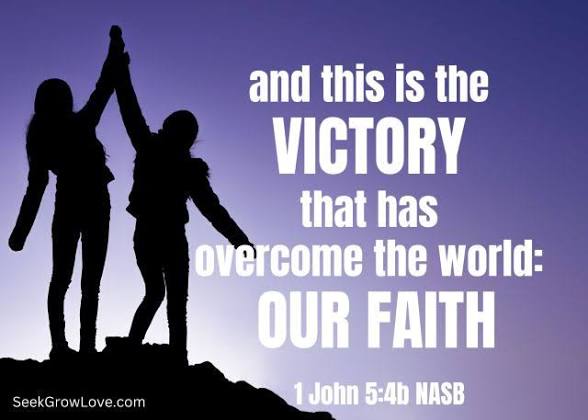
That is overcoming victory!
It means continuing to love, pray, tell the truth, maintain necessary boundaries, refuse retaliation, remain humble and teachable, follow Jesus, guard the heart, feed upon His Word, and continue shining.
Paul wrote:“Be not overcome of evil, but overcome evil with good.” Romans 12:21
That is strength.

The Church Is Being Called Back to Love
The church does not need less truth. It needs truth carried in the nature of Christ.
The church needs holiness, discernment, sound doctrine, and spiritual authority, but all of these must remain governed by love.
Paul wrote: “And though I have the gift of prophecy, and understand all mysteries, and all knowledge… and have not charity, I am nothing.” 1 Corinthians 13:2
That should sober every believer.
A person can be gifted and still need heart transformation. A leader can possess knowledge and still need deeper love. A church can appear outwardly alive while becoming spiritually cold inwardly.
Jesus warned the church at Laodicea about lukewarmness in Revelation 3:15–19.
Yet His response was not abandonment. He called them to repentance. He corrected because He loved them, and He continued standing at the door.
The Lord loves His church enough to confront whatever does not look like Him.
Therefore, the prayer cannot simply be: “Lord, expose them.”
It must also become: “Lord, search us.”
Restore our love, humility, unity, reverence, and compassion. Restore the heart of the Father within His house.
Jesus prayed: “That they all may be one…” John 17:21
Unity matters to Him.
That does not mean manufactured agreement, silence about wrongdoing, or pretending differences do not exist. Biblical unity is rooted in Christ, truth, love, humility, and the Spirit.
That is strength.


Invited — And Received
Perhaps this is where the wounded believer finally learns to rest.
The Father invited. Jesus made the way. The Spirit drew. Grace opened the door.
And the Father received.
People may not always recognize what God is doing. They may not understand the calling, acknowledge the gift, or understand the season. They may exclude, misunderstand, or even wound.
But they do not possess the authority to rewrite what God has spoken.
The believer can therefore pray, forgive, discern, maintain boundaries, remain humble, stay close to Christ, seek healthy Christian community, feed upon the Word, and continue shining.
Ultimately, no person saved them; Jesus did.
No person redeemed them; Jesus did.
No person gave them access to the Father; Jesus did.
And no person determines their belonging; the Father has received them in Christ.
Perhaps the question that remains for every church, leader, and believer is this:
Have we become so familiar with the Father’s house that we have forgotten the Father’s heart?
If so, there is still time to return.
There is still time to love again, receive one another again, pray again, repent again, and seek the unity for which Jesus prayed.
And for the one who has been wounded, the invitation remains to lift up the head and look again toward Christ.
The Lord understands. He sees what happened, and He knows what others may never understand. He remains God, He remains faithful, and His calling has not changed.
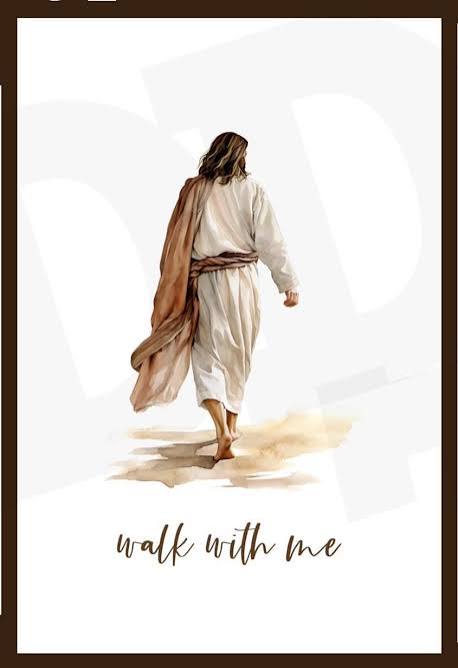
He is still saying: “Follow Me.”


In the House, But Far From the Heart
The older brother had remained in the father’s house, yet he could not celebrate what caused the father to rejoice. He knew the household, understood the responsibilities, and had stayed near physically, but when grace was poured out on someone he believed did not deserve it, the condition of his heart was exposed.
He heard the celebration and became angry. He refused to go in, resented the father’s generosity, and referred to the returning brother as “this thy son” rather than “my brother.” His words revealed that although he had stayed close to the father’s house, he had become distant from the father’s joy.
The contrast is striking. The younger brother had been far away physically but returned to the father, while the older brother remained near physically yet still needed his heart brought into alignment with the father’s.
This is where the church has to be careful. A person can be faithful in attendance, service, knowledge, position, and routine, and still struggle to reflect the Father’s joy when someone else is restored, welcomed, healed, called, promoted, or included.
The question becomes: Can we celebrate whom the Father celebrates?
And perhaps an even more searching question is this: Do we secretly resent grace when it is given to someone we would not have chosen?
The older brother did not leave the father’s house, but resentment kept him from entering the father’s celebration.
The father wanted his sons at the table, and each one needed to receive the Father’s love and heart.
The younger son had to come home, and the older son had to come in.
Both needed the Father. Both needed His love.
They needed their hearts brought into agreement with His.
That is the deeper truth beneath the story: being near the Father’s house is not the same as knowing the Father’s heart.
Each person must receive His love, His grace, His correction, and His heart for others.
That is what turns Invited — But Not Included into…
Invited — And Received in the heart and love of the Father!

Written: August 22, 2026
2026 copyright Greater Heights Publictions
All scripture references is KJV.















































































































 JOURNEY TO FRUIT